Rally Arts and Entertainment
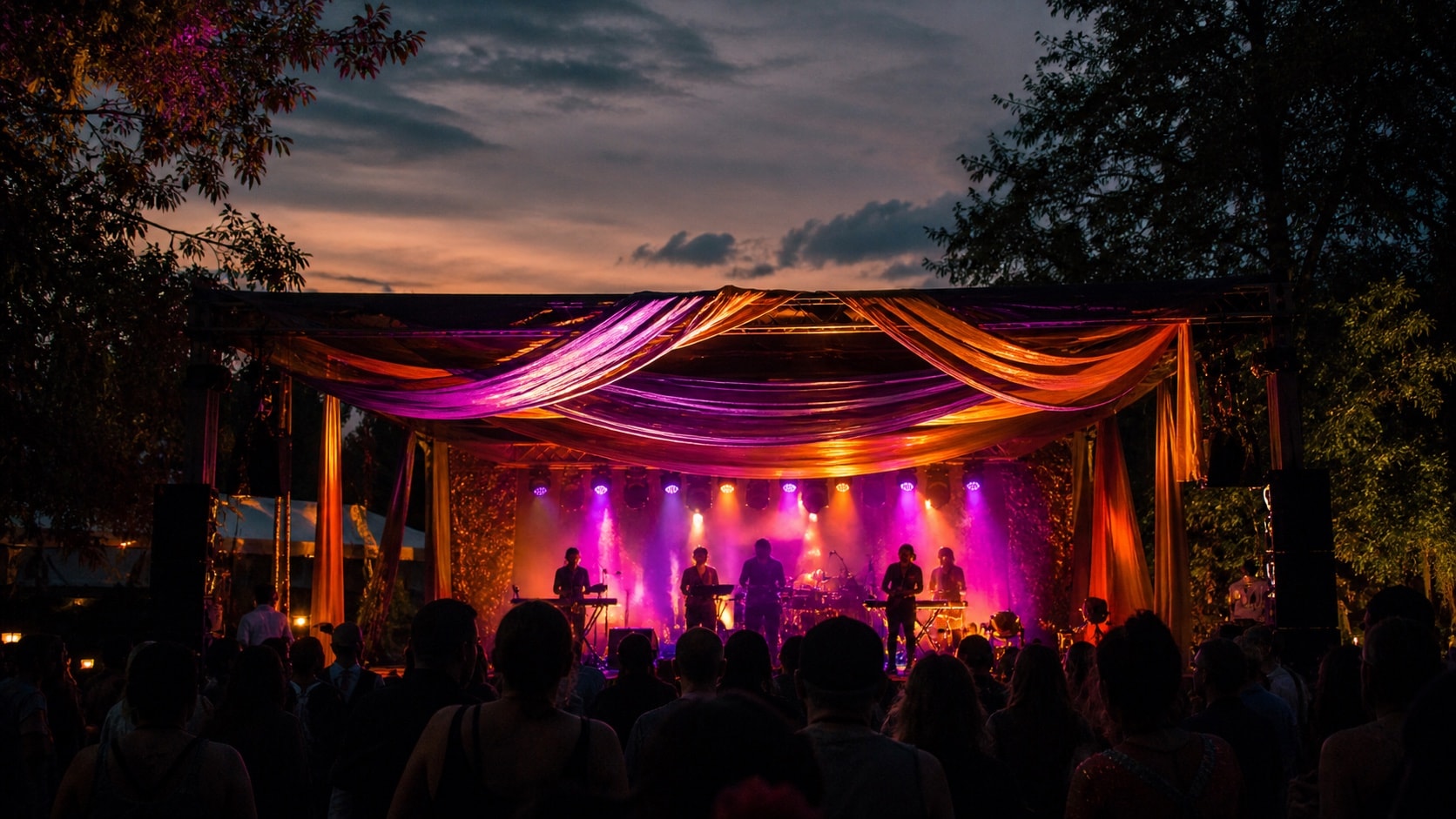
Arts and entertainment gave Northampton Pride's rally a changing public voice. Contemporary coverage identifies music, spoken word, percussion, comedy, and drag among the formats presented. Those categories suggest a program that moved between reflection, humor, rhythm, spectacle, and direct address rather than following a single performance style.
No current schedules are provided, and named performers are not identified beyond documented public sources. It preserves the shape of the program while leaving individual biographies to reliable primary sources.
Performance as community language
A Pride stage can do more than fill time after a march. Music gives a crowd a shared pulse. Spoken word can carry personal experience into public hearing. Comedy can expose contradiction and create release. Drag uses exaggeration, craft, and persona to explore gender and spectacle. Percussion can connect the formal stage to movement throughout the rally site.
These forms reach audiences differently. A political speech asks for concentrated attention, while music can accompany conversation and movement. A comic set can make a difficult topic approachable; a quiet poem can change the mood of a large gathering. Program variety allowed the rally to hold multiple emotional registers.
A stage within a larger gathering
The entertainment program was one part of the rally, not the whole of it. Community tables, food, informal meetings, and public speaking surrounded the performances. People could move closer to the stage or step away. This flexibility helped the event serve visitors with different interests and energy levels.
Performance also depended on work that audiences might not see: scheduling, stage coordination, sound checks, equipment movement, announcements, transitions, and cleanup. Volunteer planning connected these technical tasks to the rest of the day. The volunteer page preserves the wider role list, and the rally page places entertainment within the full gathering.
Documenting an ephemeral program
Live performance is difficult to archive. A program can preserve an intended sequence, while a photograph fixes a fraction of a second. Reporting may summarize a set but rarely captures how a crowd responded. Recordings, when they exist, can preserve sound and motion while still missing the surrounding atmosphere.
For that reason, this page uses modest language. It describes formats that contemporary sources document and does not infer a complete roster or exact running order.
The national LGBTQ web archive demonstrates one method for preserving digital cultural evidence. It also highlights a broader problem: event sites disappear, media formats age, and context can be lost. Keeping the descriptive framework of Northampton Pride's entertainment section helps keep that context visible.
What survives is a picture of arts woven into civic gathering. Performers did not merely decorate the rally; they helped participants feel, interpret, and celebrate the public community assembled around them.