Volunteer Roles
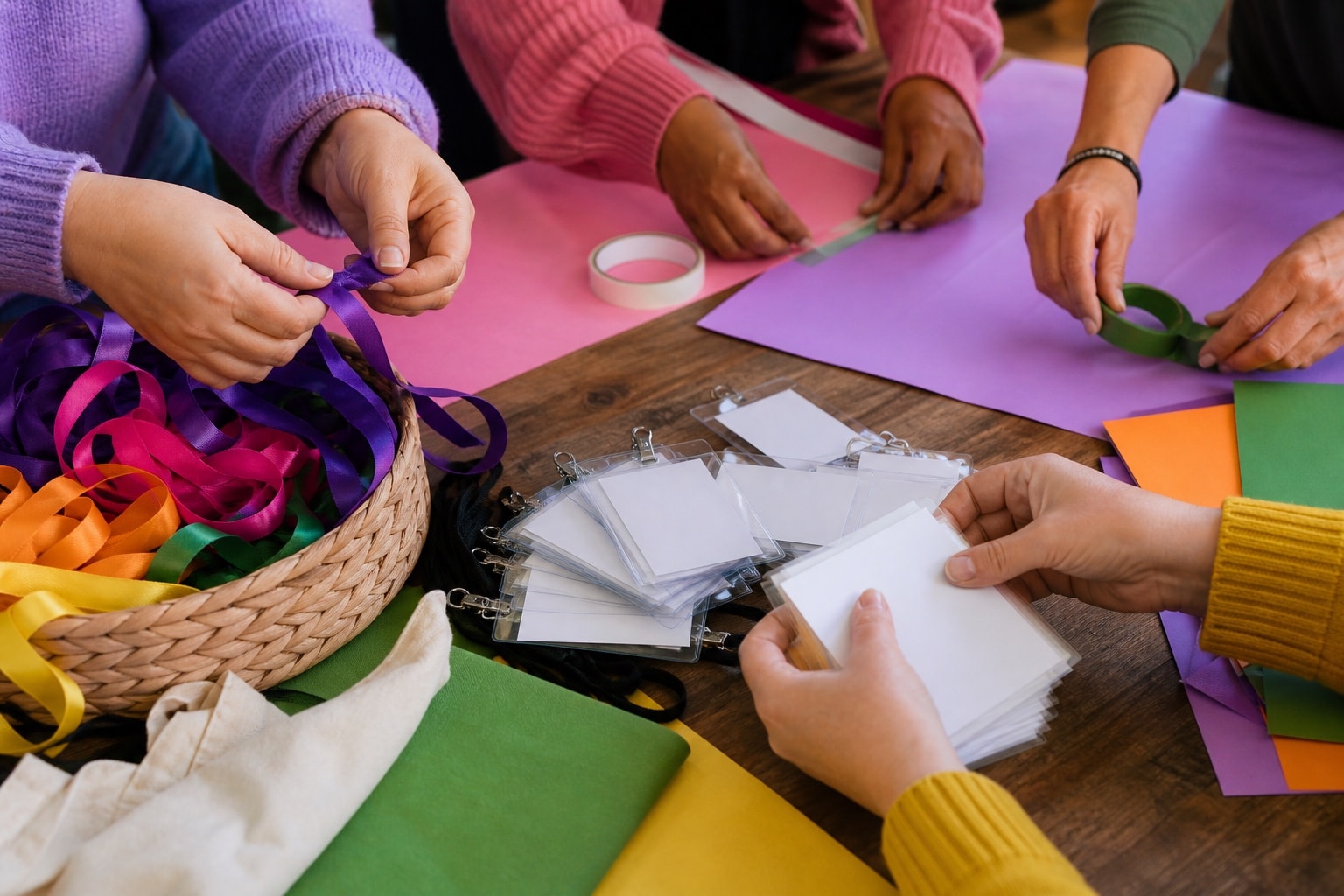
Northampton Pride was built through volunteer work. The march and rally may have lasted a day, but their planning cycle required many forms of labor over a much longer period. A volunteer application published in 2007 offers an unusually detailed view of that work. It lists writing, editing, advertising, proofreading, graphic and web design, setup and cleanup, procession coordination, fundraising, beverage staffing, merchandise, flyering, mail preparation, photography, public relations, and event planning.
These categories document the organization's volunteer work. This is not a current recruitment page. No application, contact channel, schedule, or request for personal information appears in the reference.
Communication and design
Writers and editors helped turn planning decisions into material the public could understand. Proofreaders checked details that might otherwise cause confusion. Graphic and web designers gave the event a recognizable visual voice across flyers, programs, signs, and the website. Advertising work connected the printed program to outside support.
These tasks show that community events are also publishing projects. A theme must become a headline; a route must become understandable directions; a long program must become a readable sequence. Even when the original documents do not survive, the role list reveals a sophisticated production process.
Event-day coordination
Setup volunteers transformed ordinary space into an event site. Procession coordinators helped participants assemble and move. Beverage and merchandise workers managed busy shared points. Cleanup volunteers handled the work that remained after the visible program ended. Each task depended on communication across teams rather than isolated effort.
Good coordination is often most noticeable when it fails, which means successful volunteer labor can vanish from public memory. Historical photographs capture the crowd and stage more readily than the early arrival, supply movement, troubleshooting, and final sweep. Preserving the task list helps correct that imbalance.
Outreach and documentation
Flyering, mail preparation, public relations, and photography extended the event beyond its physical route. Outreach invited participation and explained the event to the wider region. Photography preserved evidence for later years. Public relations translated the organizing committee's aims for people encountering the event through news coverage rather than attendance.
Fundraising and program advertising supported the material costs of staging a major public gathering. This reference discusses those functions but does not reopen them. The program history and community support page explain their documentary significance without offers, prices, or solicitations.
What the volunteer list teaches
The list resists a simple story in which Pride happens spontaneously. Public expression required administration, revision, schedules, physical effort, and follow-through. It also allowed people with different skills and levels of public visibility to contribute. Someone uncomfortable marching at the front could edit copy, prepare materials, or help with cleanup. Someone with design experience could shape the event without taking a microphone.
The national Pride history collection provides broader examples of the documents created by community movements. Volunteer records deserve to be read alongside posters and photographs because they reveal how public culture was actually made.
Northampton Pride's volunteer categories are historical information, not open roles. They show a community organization distributing a complicated task among many hands—and they remind readers that every successful march depended on work that began long before anyone stepped onto Main Street.
The roles also complicate the boundary between organizer and audience. A person might begin by attending, later take on one discrete task, and eventually help plan a future event. Volunteer structures can be routes into public participation as well as methods for dividing labor. The historical categories convey that invitation without collecting personal details or implying that an inactive committee can respond.